Botanical name : Phaseolus acutifolius
Common name : Tepary bean
Easy for seed saving
Lifecycle: Annual
Pollination: Self pollinated
Mating system: Perfect flowers that self pollinate 24 hours before the flowers open
Suggested spacing: Same as for eating production
Seed specific requirements: None
Isolation distance: 3 metres
Population size: 5 to 10 plants, viable seed can be saved from a single plant
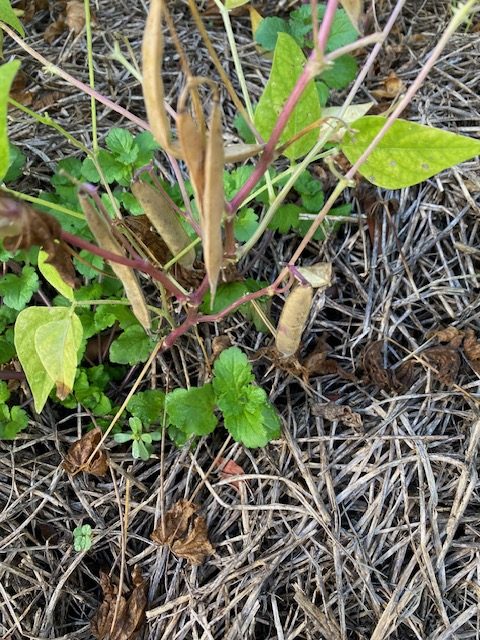
Seed maturity: Pods turn brown at maturity
Processing method: dry thresh or hand pod
Expected seed viability: 4 years
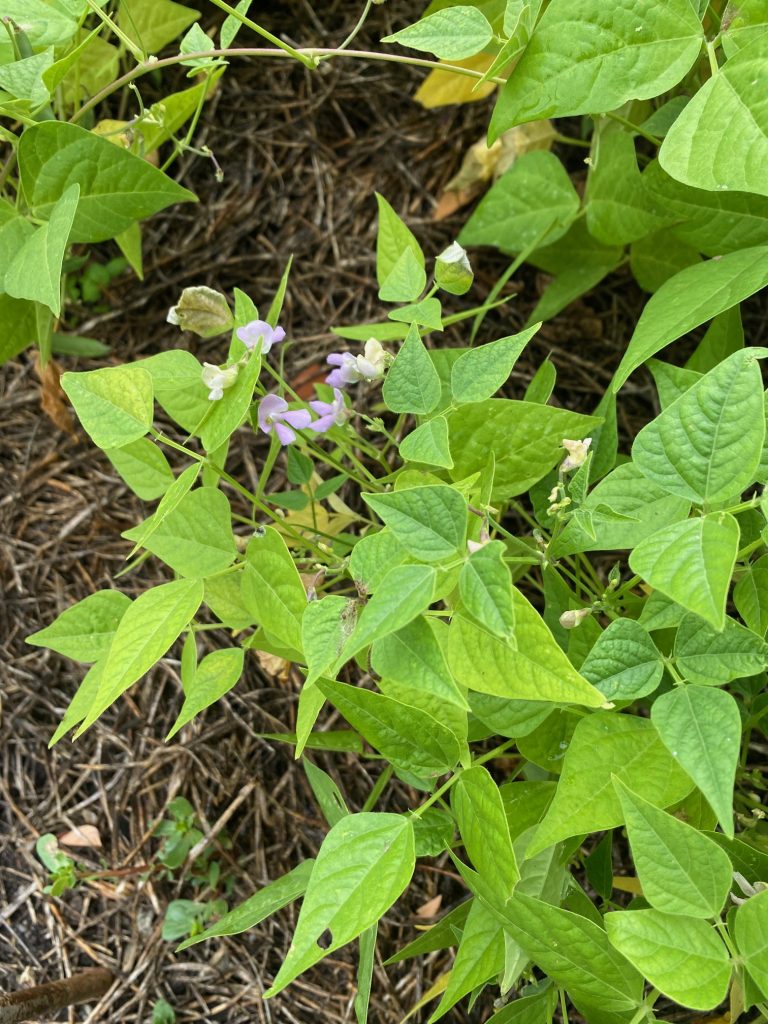
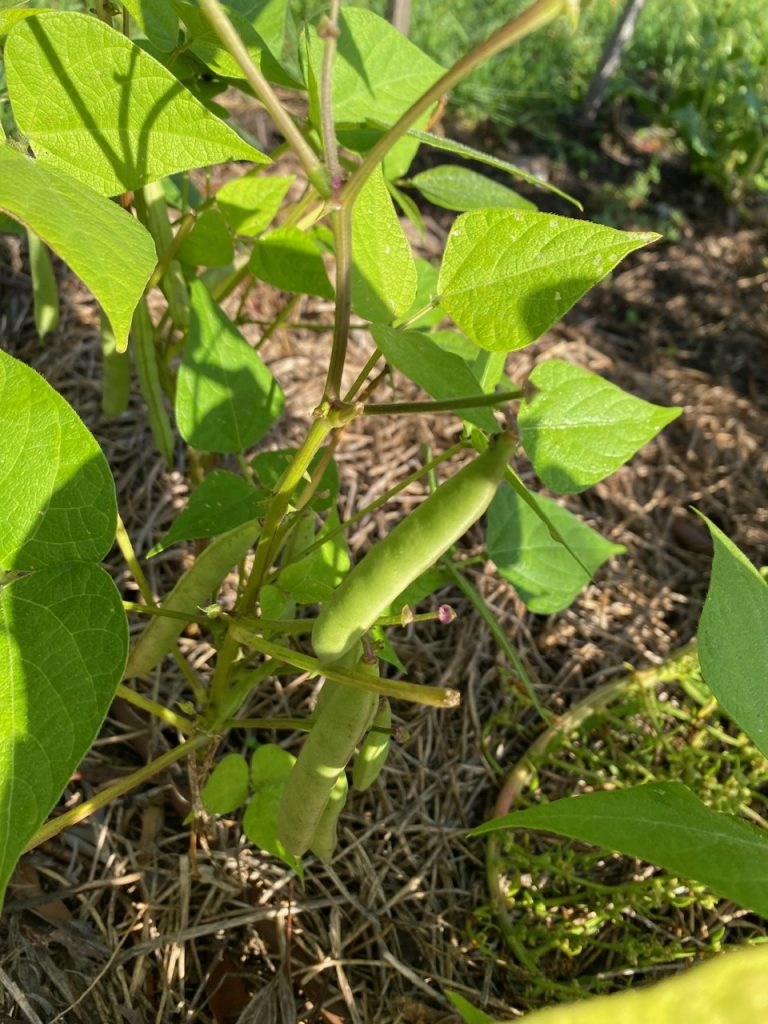
Growing for seed
Tepary beans can mature in as little as 60 days in favourable conditions, and less than 90 days in normal conditions. Their water needs are relatively low. Growing for seed is the same as growing for eating as they are used as a dry bean crop.
Both climbing and bush forms are available.
Selection
Traits that seed savers should maintain in a variety include: leaf shape, flower colour, seed shape, seed size and seed colour.
Harvest
Pods are mature enough for harvesting when they change colour. They can be picked individually or by cutting the whole plant. If the entire plant is being harvested then it should be done when about 75% of the pods have matured. Some varieties are more prone to pods shattering than others. If the variety being saved is prone to pods splitting in the garden it should be harvested promptly as the pods mature or the whole plant cut earlier when less than 75% of the pods are mature.
Processing
Processing is easier when the crop is properly dry. Seeds should be very hard before threshing is attempted.
The seed can be released from the pods by hand or plant material can be threshed to separate the seeds from the pods. Walking on the plant material is a common method to break the pods open. Sieving and threshing are then used to separate the seed from the chaff.
Contributors
Liz Worth