
Botanical name : Cichorium intybus
Common name : Chicory, Raddichio, Blue Dandelion, Belgian Endive, Italian Dandelion, Witlof, Witloof
Difficult for seed saving
Lifecycle: Biennial
Pollination: Cross-pollinated by insects
Mating system: Perfect self-incompatible flowers
Suggested spacing: 45cm
Seed specific requirements: Vernalisation is required.
Isolation distance: 250 m. Isolation also applies to Cichorium endivia varieties.
Population size: 20 plants
Seed maturity: The flower bracts become dry and brown when the enclosed seed is mature
Processing method: Dry processing.
Expected seed viability: 6 years
Growing for seed
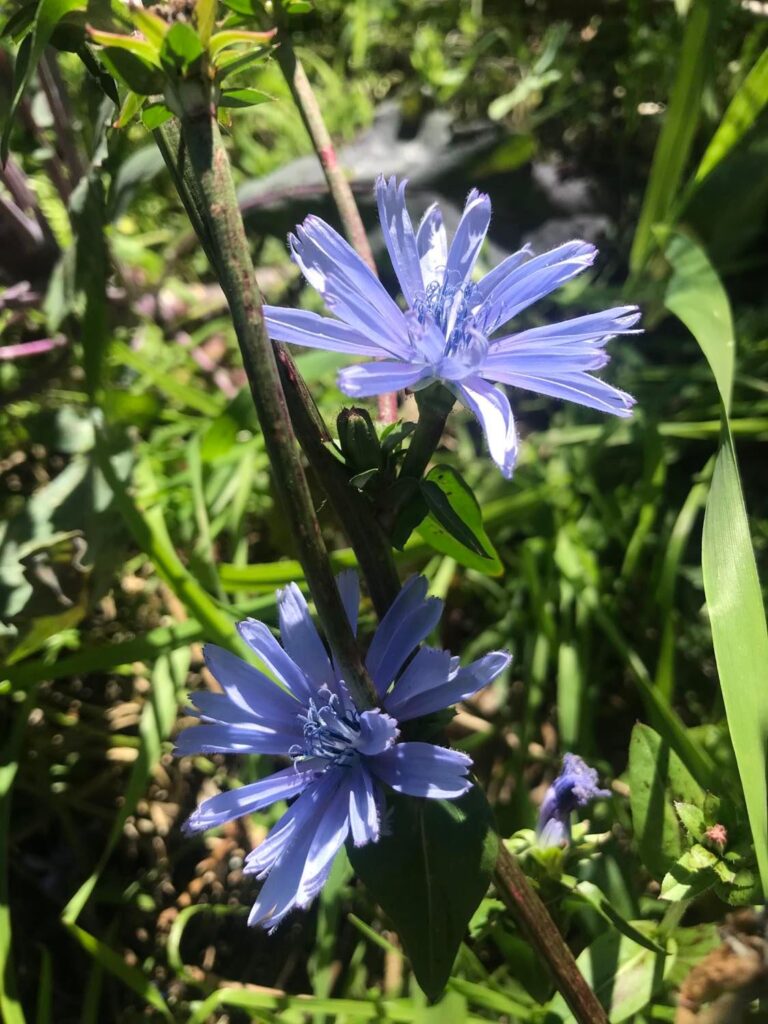
Chicory needs a period of cold to initiate flowering. It can then continue to flower over many months. As it is not self-fertile, enough plants need to be grown to flower together to ensure good pollination.
While endive varieties (Chicorium endiva) are self-pollinating, their pollen can be used to pollinate chicory plants so care should also be taken to avoid them flowering at the same time. Isolating flowering chicory from other flowering chicory and endive varieties by at least 250 m is advised for home growers. Larger distances may be required to be sure that rare varieties do not become crossed.
Selection
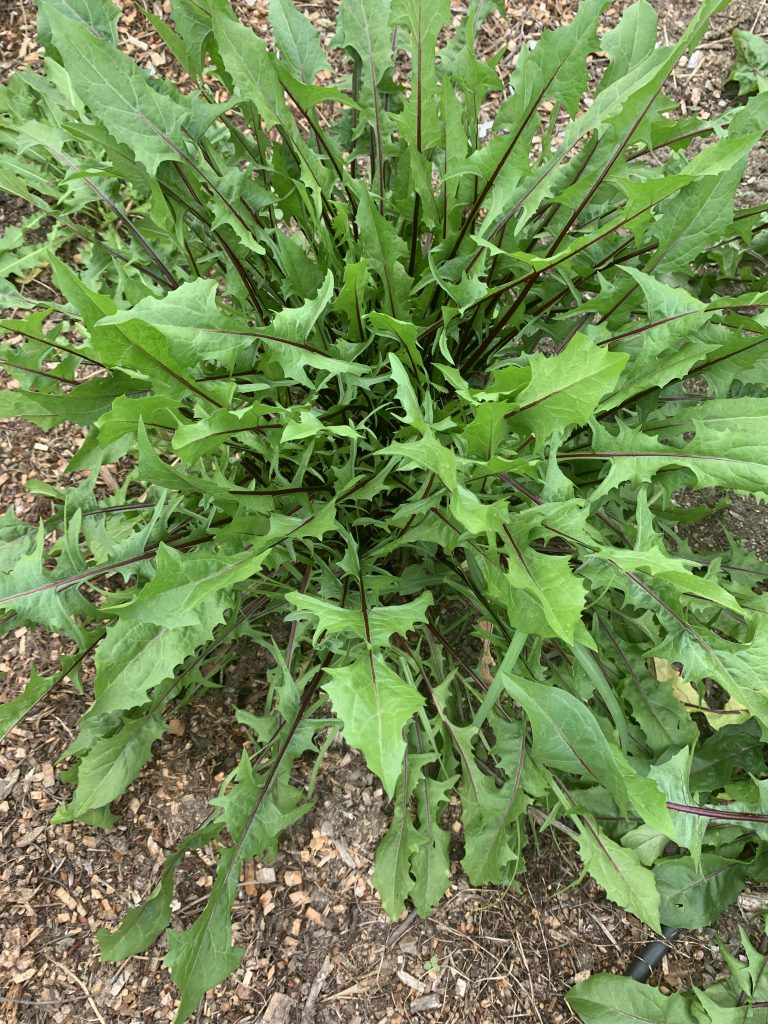
Selection is based on leaf shape and colour as well as plant form. Some varieties, such as witloofs, are grown for their tight heads harvested in winter while the dandelion varieties have a loose-leaf form. So growers should choose plants that best show the desired plant form.
Harvest
Chicory seed is not prone to shattering in the garden so plants can be left until their stalks begin to die back. The flower bracts will contain mature seed when they are brown and dried. It is usual to wait until most of the crop has matured before cutting stalks and placing them in bags or on tarps to finish drying.
Processing
Chicory seed is difficult to process as the seed is not easily released from the flower bracts. Some may fall during drying but usually vigorous rubbing and even beating is required to break open the bract capsules to release the seed.
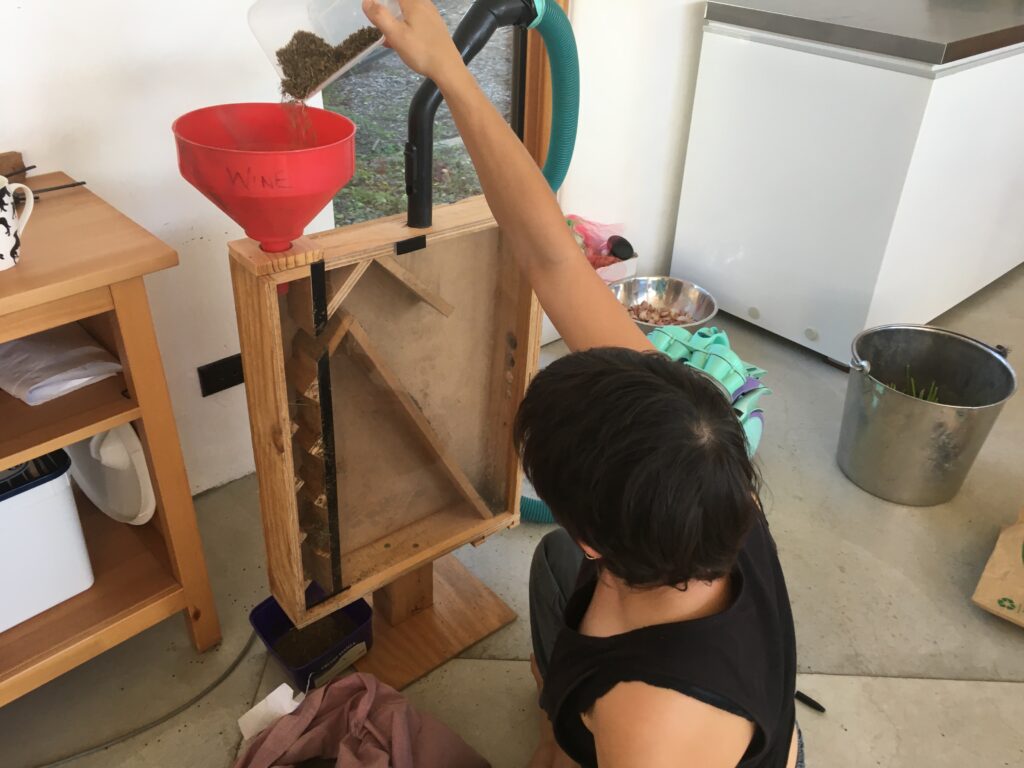
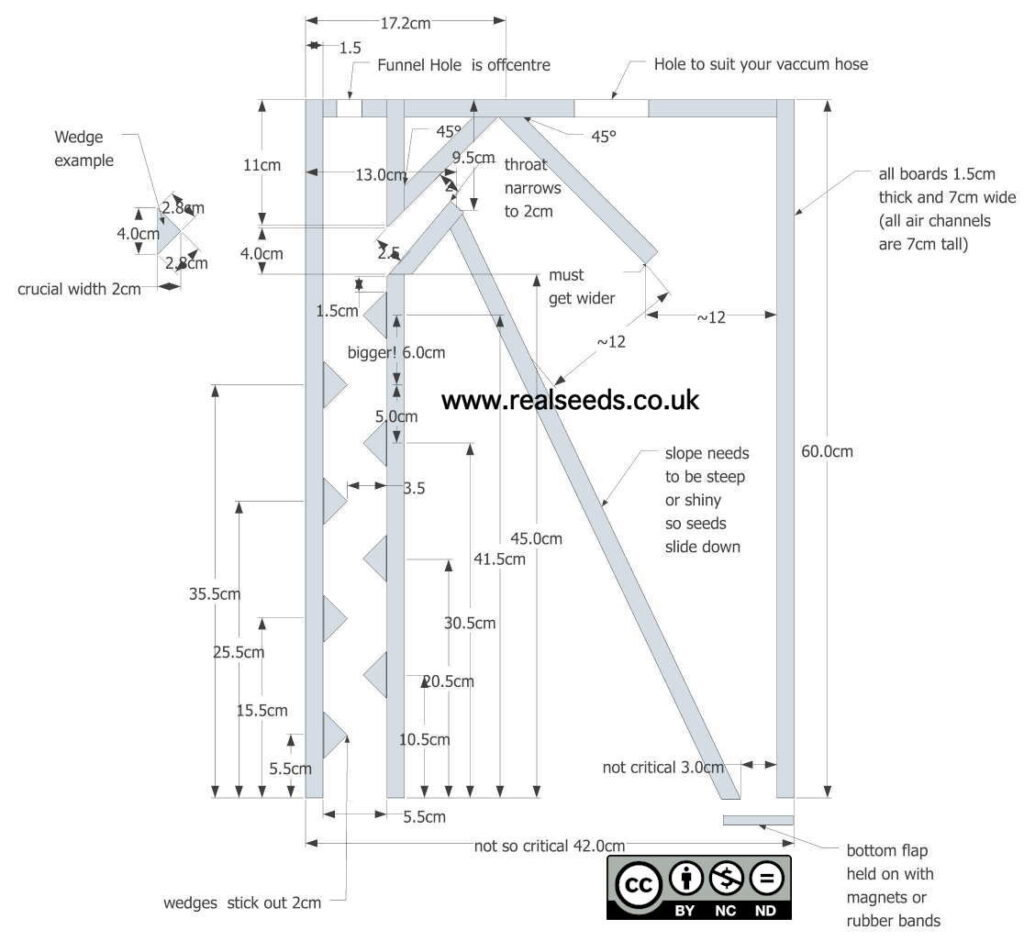
The very small, fine seed can also be difficult to winnow as they are close in weight to the chaff. Care needs to be taken to ensure that good seed is not blown away with the unwanted material. Using a winnowing machine can be very helpful for this type of seed.
Contributors
Liz Worth