
Botanical name : Glycine max
Common name : Soy Bean, soybean, edamame
Easy for seed saving
Lifecycle: Annual
Pollination: Self-pollinated, insect pollination is possible
Mating system: Perfect self-fertile flowers
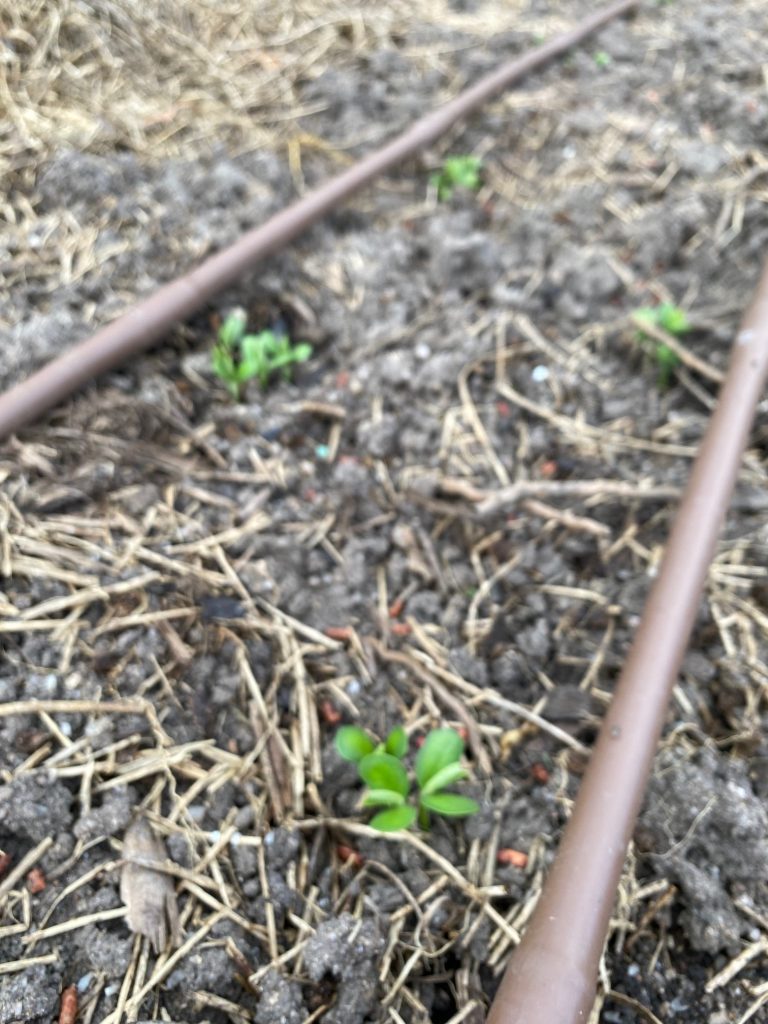
Suggested spacing: Same as for eating production
Seed specific requirements: Short day photoperiod means night hours must increase to the required length to initiate flowering.
Isolation distance: 3 m
Population size: 5 to 10 plants. Viable seed can be collected from a single plant.
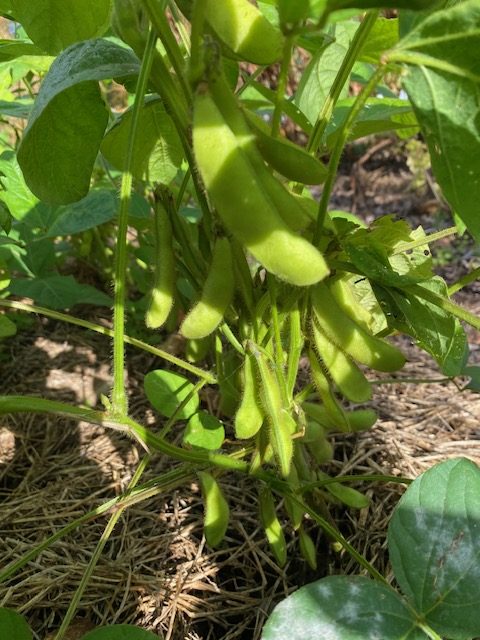
Seed maturity: Pods change colour from green to brown. Some varieties may split easily when mature.
Processing method: Dry processing
Expected seed viability: 3 years
Growing for seed
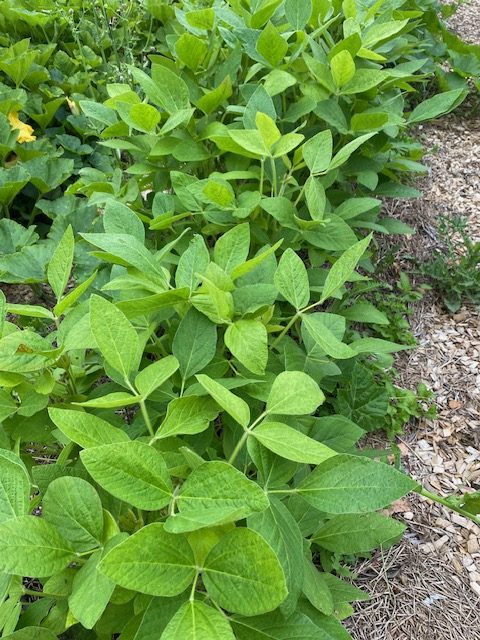
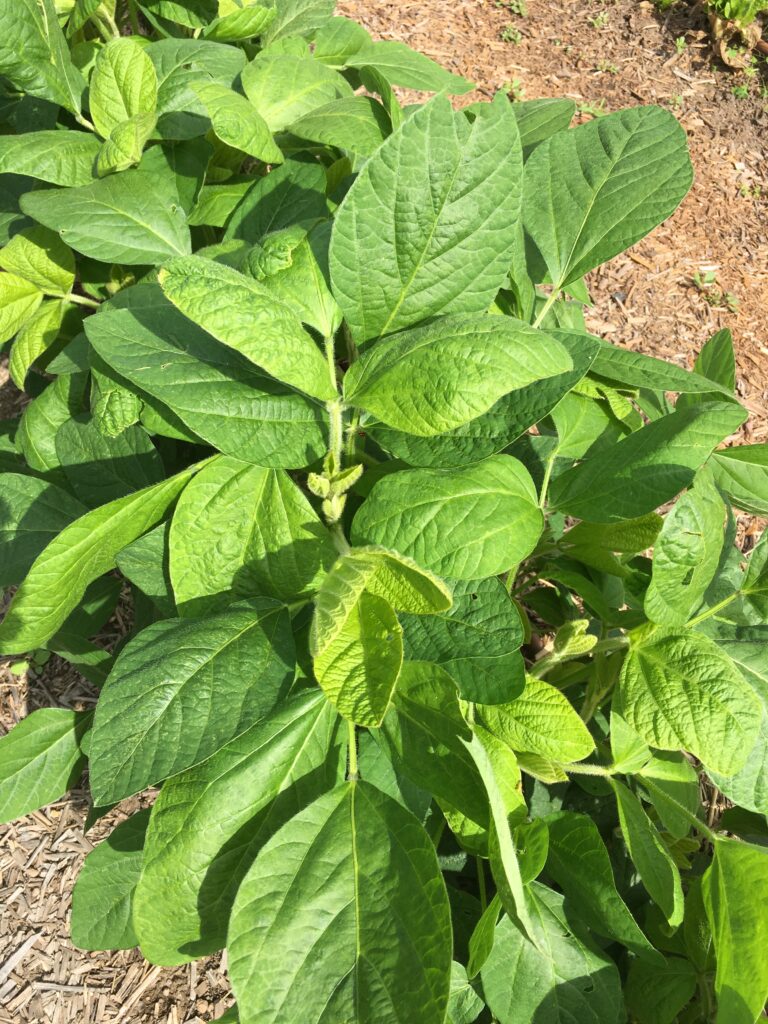
Soybeans are short day plants which flower when the length of the night reaches their required photoperiod. Different varieties will flower at different night lengths. Some varieties will crop in cooler zones with shorter days while others require long hot summers before setting pods as nights lengthen in autumn.
If growing edamame types for seed, it is best not to harvest any pods for eating from those plants but to set aside those plants specifically for seed.
Selection
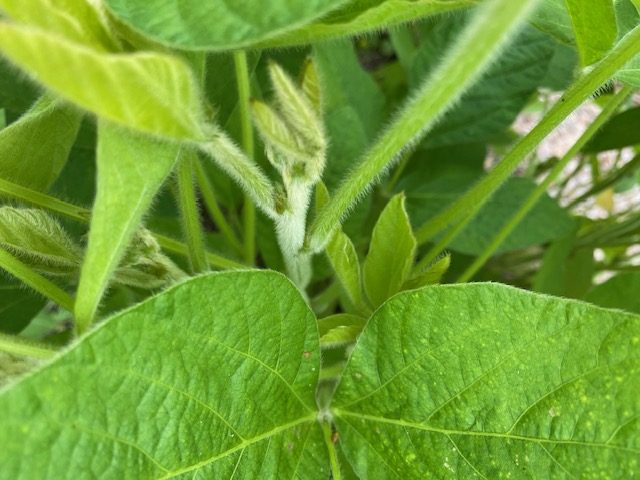
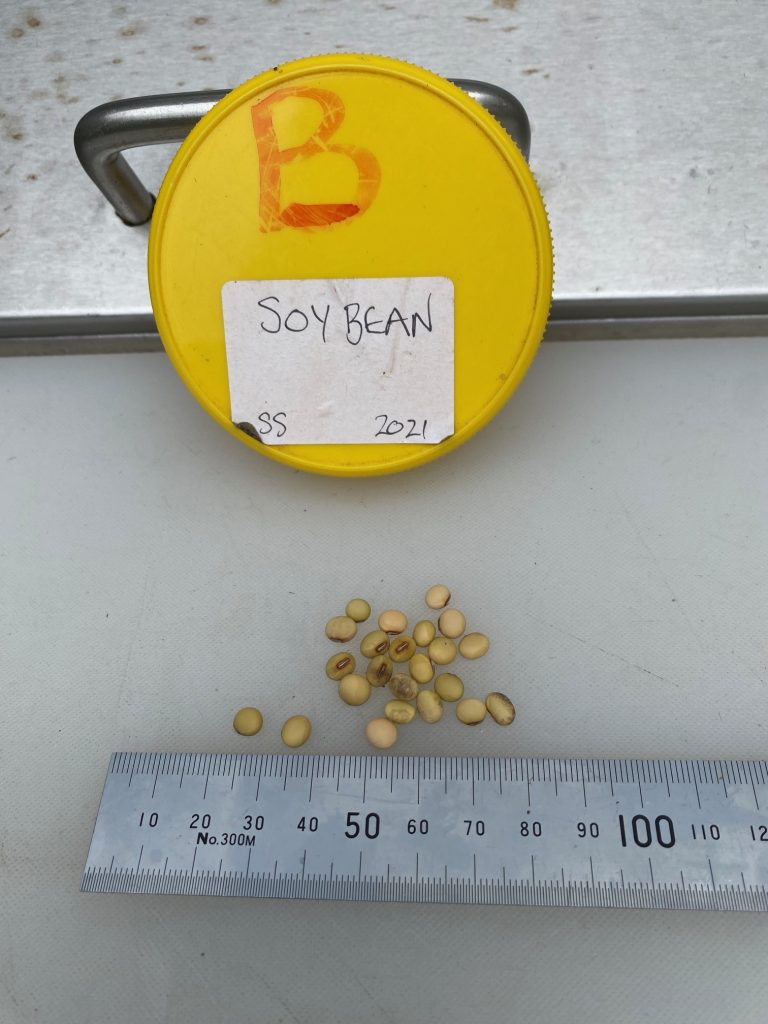
Flower colour, seed colour and size are the main distinctive traits for soybean varieties. Ease of shattering when mature may also be considered.
Harvest
Soybean pods change from green to brown and dry on maturity. Varieties grown for soybean production have usually been selected to not shatter easily at maturity making it easy for whole plants to be cut for seed. These can be laid on tarps in a protected area to dry.
Edamame varieties and some older heirloom varieties may be prone to shattering in the garden. Some may even split forcefully, spreading seed around as it matures. These types will need more vigilance in order to harvest them at maturity and before seed is lost in the garden.
Processing
Once the pods are dry they can be broken open to get the seeds out. This can be done by hand for each pod. Alternatively the usual methods of walking on the pods or using a threshing machine can be tried. If the seed is dry it is difficult to damage it by threshing. Do not be tempted to try threshing or walking on the plant material before it is dried as the seed could be damaged while it is still moist and soft.
Storage
After processing, it is a good idea to keep the seed either spread out or in a paper bag in a dry location to ensure that any moisture being held in the seed has a chance to dry off.
There is a fair likelihood that insect pests will have laid their eggs in or on the seed. To stop them in their tracks one of the easiest methods of control is to freeze the seed for a few days. To do this the seed must be absolutely dry first. Seed will also store for longer if it is fully dry. It then must be placed in an airtight container – like a glass jar – before going into the freezer for 48 to 72 hours to kill pests and their eggs.
Seed is best stored in an airtight container where it is dark, cool and dry.
Contributors
Liz Worth