Category Getting Started

Getting Started

Quick and Easy Pea Seed Saving
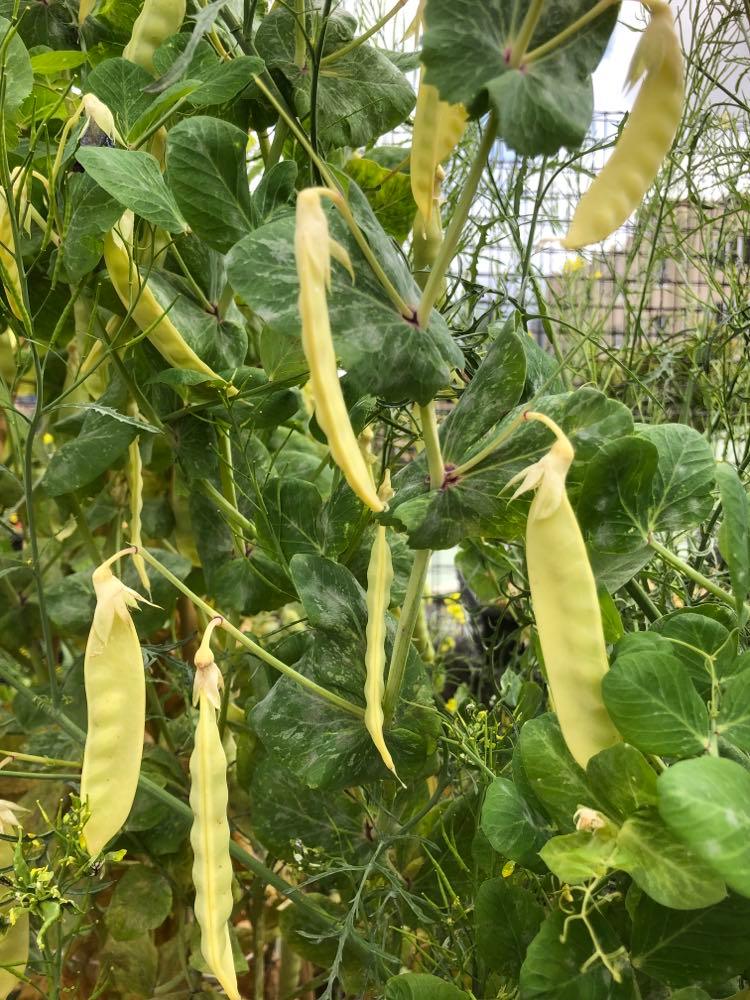
Botanical name (Genus species): Pisum sativumAlso known as: Snow peas, snap peas, podding peas, shelling peas, dwarf or bush peas, climbing peas. Planting: What do we need to know before planting for seed production? Pollination method: Peas are self-pollinating. Their flowers never…
Quick and Easy Lettuce Seed Saving

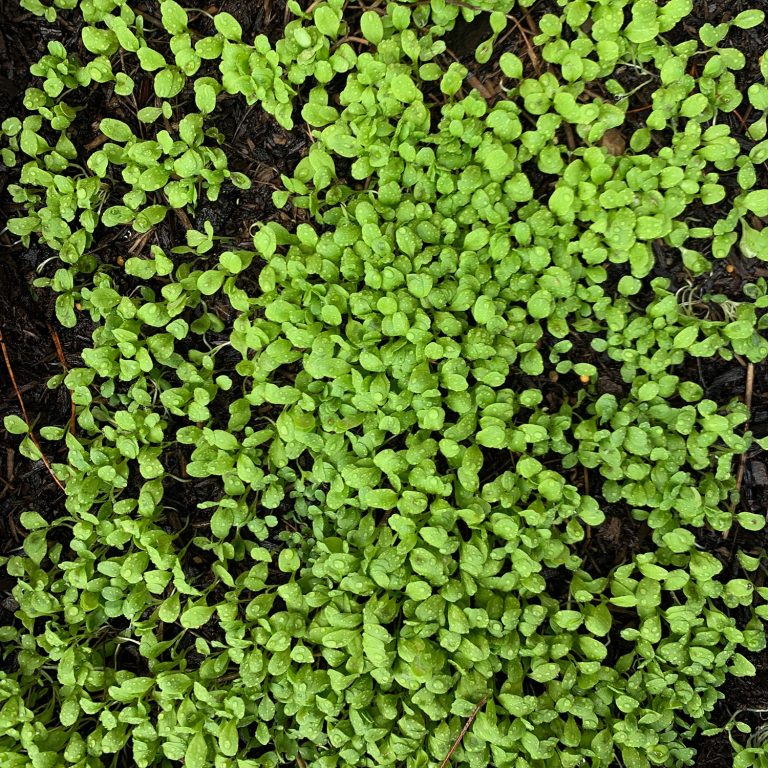
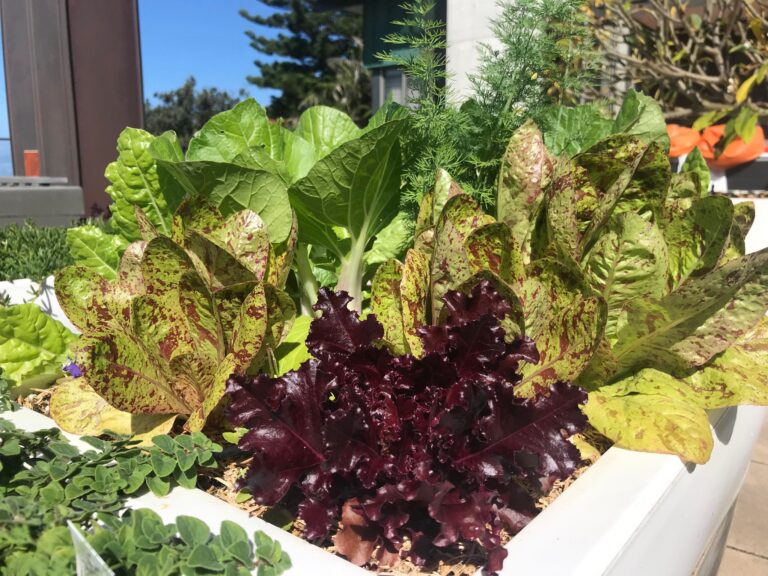
Botanical name (Genus species): Lactuca sativa Planting: What do we need to know before planting for seed production? Pollination method: Lettuce is self-pollinating so we don’t need to do anything to ensure that the seed produced will be true-to-type. Isolation distance: Try to…

Quick and Easy Bean Seed Saving

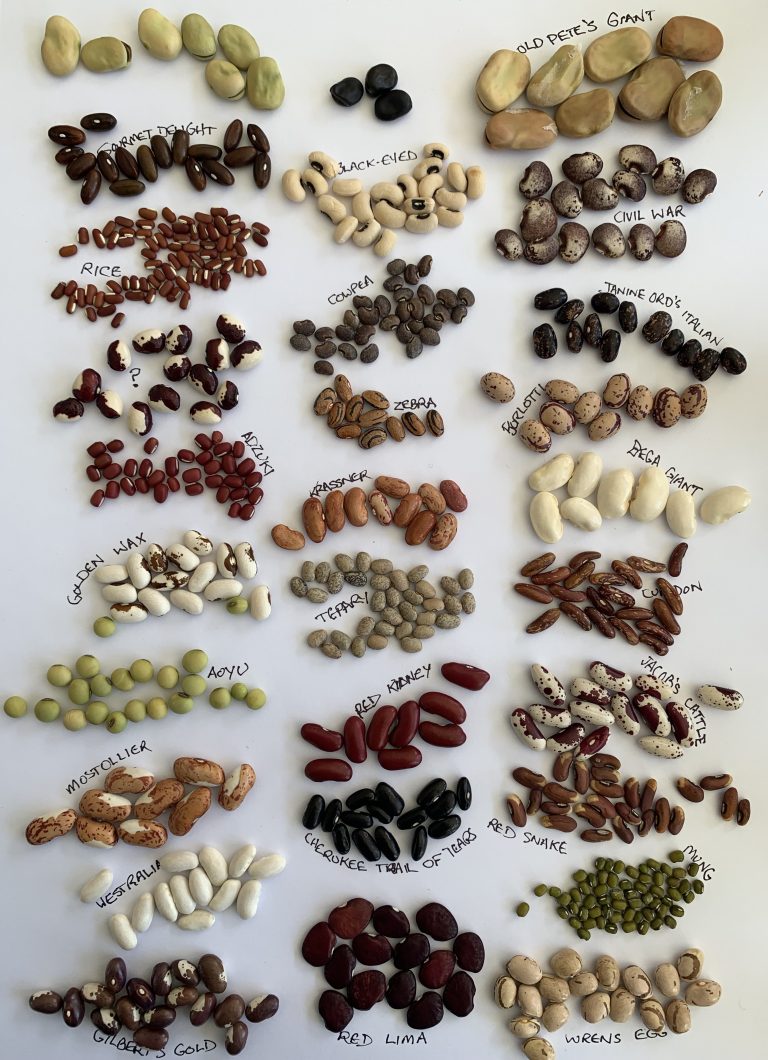
A mix of beans seeds.

Botanical name: Phaseolus species; Vicia species; Vigna species; Glycine species. Also known as: French beans, climbing beans, bush or dwarf beans; Runner beans; Tepary beans; Lima beans; Snake or yardlong beans; Cowpeas or Black-eyed beans/peas; Adzuki beans; Mung beans; Soybeans and Broadbeans. Planting: What do we need to know…

Quick and Easy Tomato Seed Saving

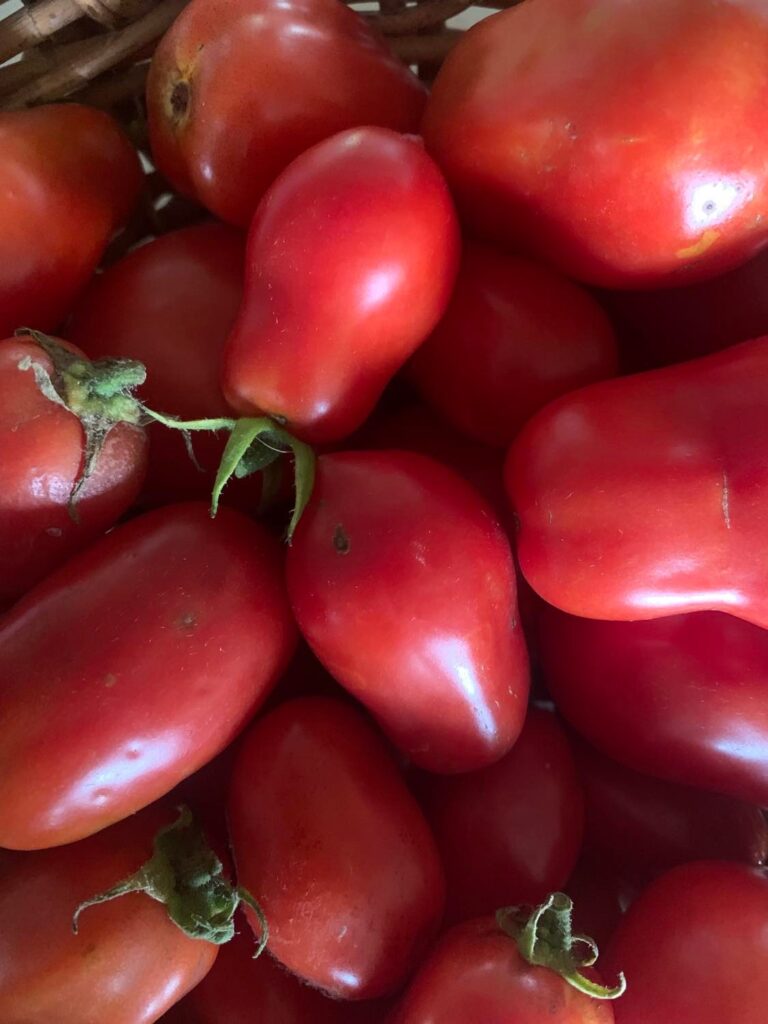
Botanical name (Genus species): Solanum lycopersicum Planting: What do we need to know before planting for seed production? Generally you don’t need to think too much before planting tomatoes for seed production. Just choose a variety that you like and that…

Seed Germination and Light

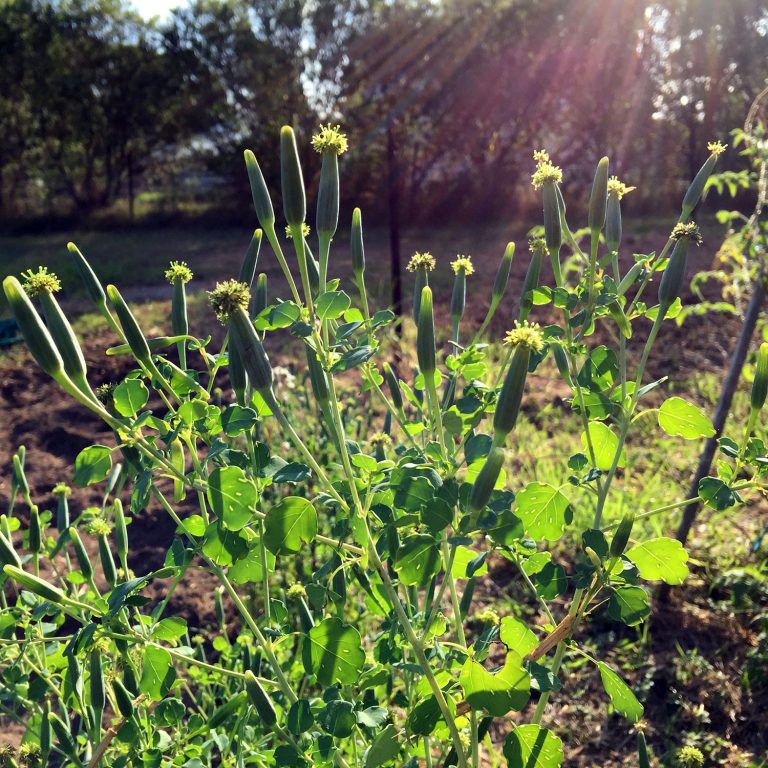
Papalo - Porophyllum ruderale

Many seeds require changes in light levels to start their internal germination chemical processes. This frequently happens when soil is moved around or over shadowing plants die back during cold periods or even fires – or for example are exposed…

Seed Germination temperatures

This is a general collection of germination temperatures collated and compared from a range of sources including books and online references. It covers some of the more common plants grown in home gardens. Accuracy is highly variable based on a…

Reference and resources

Seed Saving and sharing information about seeds and growing plants is not a new thing – it is deeply part of Human history. There are many ways to get information about seed saving. This may include books, research papers, podcasts,…

Urban seed saving

All across our suburbs and cities people are growing food in backyards and community gardens. Urban agriculture is an increasingly popular phenomenon and aside from helping with food security and environmental protection by reducing food miles and helping us feed…

Beginning in the Tropics

Beginning in the tropics when it comes to growing food and saving seeds, can bevery different for some people, especially when they have moved here from downsouth when colder climates dictate what is best to grow and what isn’t. The…

What is Seed Saving?

Seed saving is the practices and culture of selecting, harvesting, cleaning and storing seed for planting in future seasons. It is a millenia-old partnership between people and plants which is an essential part of agriculture.  By selecting, harvesting and replanting…

Botany for Seed Savers

To be successful seed savers it can be helpful to know some basics of plant botany. In order to ensure that the collected seed will produce true-to-type offspring we first need to make sure we know what plant we are…

How to contribute to these guides

We are keen for lots of people to contribute their expertise and experience to these quides. We’re intending to cover a lot of ground – species, geographical locations, climate differences. Australia is a big country and we have a very…

Why save seeds?

Before the relatively recent advent of commercial seed production and distribution, farmers and growers freely saved and then shared or traded seeds from their crops with each other from season to season. These practices help to ensure the viability of…

How to use these guides

These seed saving guides are written by and for Australian seed savers. The creation of these guides is a long term process. If you can’t find the information you are looking for it may not have been written yet. Please…